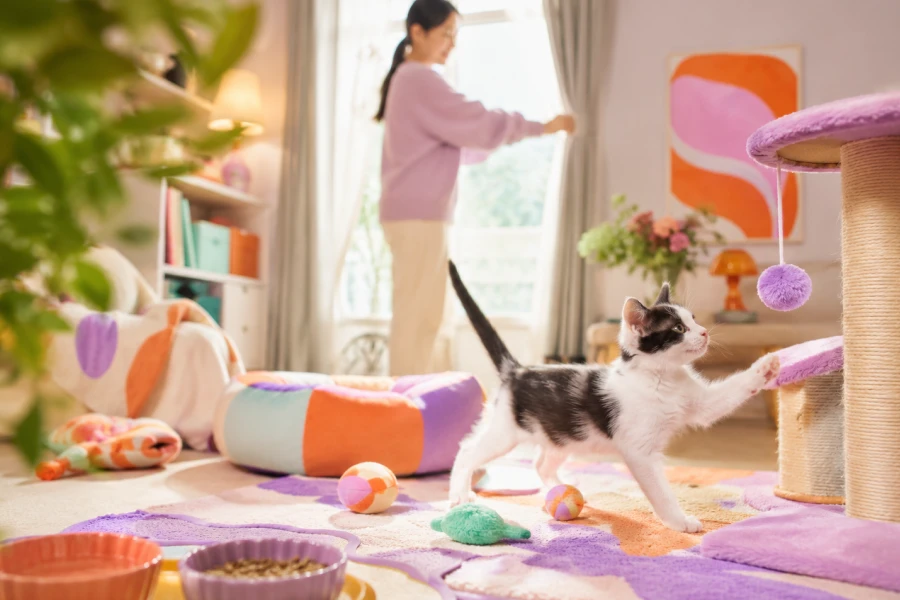
The first several days with a kitten rarely follow a neat script. One morning can bring a confident burst of exploration, while the next begins under the sofa. Kitten first week at home works best when people lower the pressure and raise the predictability. That variation can feel surprising, especially for people who want proof that everything is going well. Yet adjustment usually grows through rhythms that are more subtle than dramatic. Meals, naps, litter visits, play, and quiet observation all create a richer picture. When you watch the pattern instead of demanding a milestone, the home becomes easier to manage. You also begin to see which moments encourage comfort and which ones add unnecessary pressure. That knowledge gives the first week a gentle structure without making it rigid. Soon, the household learns to move around the kitten’s real needs rather than assumptions.
Every day brings a slightly different combination of energy, appetite, and curiosity. A kitten may be most adventurous after a deep nap and most cautious after unfamiliar noise. Nighttime zoomies can appear even when daytime behavior seems reserved. Those contrasts make sense once the kitten begins to recognize safe routes and resting spots. Instead of labeling a day good or bad, ask what changed around it. New smells, visitors, household activity, and sleep all influence how boldly a kitten responds. Your kitten home transition plan should make retreat, rest, and curiosity equally available. That perspective makes fluctuations easier to accept and easier to manage. It also keeps you from adding too many new experiences on a busy day. A flexible response lets confidence grow without making the environment unpredictable.
Daily care becomes more useful when it follows a sequence the kitten can recognize. Offer food in the same location and keep water easy to find. Make litter access quiet, clear, and free from sudden interruptions. Save active play for moments when the kitten already appears alert and interested. That is why a kitten care tracking often matters more than buying many items at once. A kitten learns quickly when basic needs are met in a consistent, low-drama way. That rhythm helps the household notice whether appetite, sleep, and movement stay generally balanced. It also limits the temptation to solve every pause with another toy or treat. Small rituals create enough structure for people without crowding the kitten’s choices. The result feels less like a schedule and more like a shared routine.
The smallest observations often reveal the most useful next step. Notice where the kitten chooses to nap and which pathways feel comfortable. Pay attention to when it eats with ease or waits until the home quiets down. Watch whether play ends with relaxed grooming or a quick retreat. These details help you distinguish normal adjustment from an environment that needs simplification. A first week with a kitten gives shy or energetic kittens room to respond without feeling cornered. A brief note at the end of each day can make changes easier to see. You do not need a detailed diary to recognize what supports comfort. A few practical observations can prevent well-intentioned but random changes. Over time, the pattern becomes a useful map for the kitten’s growing confidence.
A softer household rhythm begins when people coordinate their expectations. Everyone should know where the kitten rests, eats, and prefers to play. That shared awareness reduces accidental interruptions during quiet moments. It also keeps the kitten from receiving completely different signals from each person. Keep introductions brief and let visitors understand that attention must be earned. A calm shared approach makes the home feel easier to predict. When the environment is steady, tiny confidence gains have more room to stick. The kitten can then explore without wondering which response will arrive next. That clarity benefits people too, because it removes much of the early guesswork. A gentle first week becomes a foundation for a more relaxed relationship later.
Disrupted days will happen, even in the most carefully prepared homes. A delivery, an unexpected guest, or a change in routine can temporarily alter behavior. When that happens, return to the parts of the day the kitten already understands. Offer a quiet room, familiar resources, and a little less social pressure. Use a kitten adjustment routine to simplify decisions when the day feels less smooth than expected. Review what changed before introducing another new solution. That review can reveal whether the issue was brief overstimulation or a genuine routine problem. Use the information to make one focused adjustment rather than changing everything at once. Steady recovery teaches the kitten that difficult moments still end in safety. That is one of the most valuable lessons a new home can offer.
The first week does not need to prove that you have every answer. It simply needs to create a pattern the kitten can begin to trust. Quiet meals, protected sleep, playful invitations, and thoughtful observation all contribute. Those ordinary details become more powerful when they repeat with care. As the kitten learns the home, you learn the kitten at the same time. That shared learning is more valuable than a flawless routine. Give the process room to change from one day to the next. Then use the stable parts of the day as a reassuring return point. With patience, early uncertainty becomes a rhythm that feels familiar. That rhythm can carry both of you well beyond the first week.




Leave a comment