First trips with a pet carry a mix of excitement and unfamiliar responsibility. You want the journey to feel special, but you also need it to feel manageable. Traveling with pets for the first time becomes easier when decisions follow your pet’s real comfort level. The good news is that most confidence comes from preparation, not travel experience. Small practice steps can reveal how your pet responds before the larger trip begins. Those observations make it easier to choose transportation, lodging, and activities with care. They also help you build a pace that feels realistic when schedules change. A first trip does not need to be long to be meaningful. It simply needs to create a positive enough experience that another one feels possible. That is a better goal than trying to make every moment picture-perfect.
Begin with outings that resemble parts of the trip you want to take. Try a short drive, a new walking route, or a quiet visit to a pet-welcoming patio. Notice how your pet settles after movement and how quickly it returns to normal routines. Use those responses to estimate what length and pace feel comfortable. A nearby overnight stay can be a useful bridge before a longer getaway. Each small experience gives you information that general travel advice cannot provide. Strong pet travel safety plan begins before you select a destination or compare prices. You can then plan around genuine needs instead of hoping the day will work itself out. That preparation helps both you and your pet arrive with fewer surprises. Confidence often begins in the small trips nobody else sees.
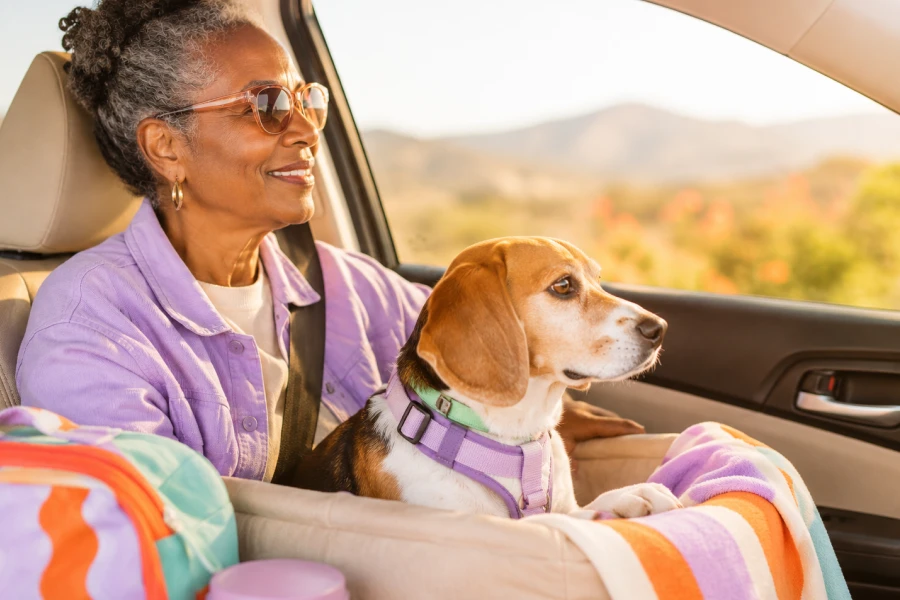
Transportation should match your pet’s temperament as closely as possible. Some animals settle quickly in a car, while others need more frequent breaks. A secure carrier or harness can make movement easier to manage and safer to predict. Keep the travel area well ventilated, comfortable, and free from loose distractions. Thoughtful pet-friendly activity ideas keeps convenience and comfort in the same conversation. Bring water and cleanup supplies where you can reach them quickly. The goal is to make each transition feel understandable and consistent. Your pet does not need a flawless ride, only support that remains steady. That steadiness becomes especially important when the journey lasts longer than expected. Simple transport choices often shape the whole mood of the trip.
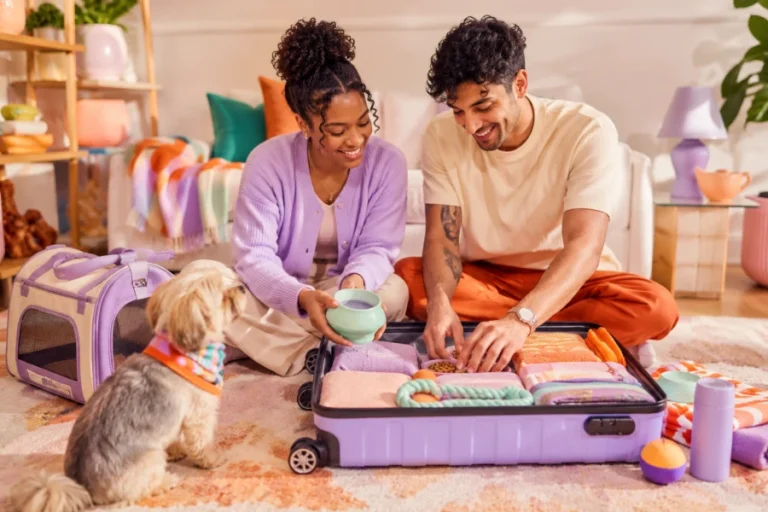
Safety is easier to protect when it becomes part of the normal preparation. Confirm identification, contact details, and health information before departure. Research nearby veterinary options at the destination and along the route. Keep a small emergency kit available instead of packing it far from reach. Review temperature, weather, and any rules that affect outdoor access. Make sure every person traveling understands who handles which pet-care task. A detailed stress-free pet travel can prevent small logistics from becoming day-of stress. Those shared responsibilities prevent one person from carrying the entire mental load. They also make it easier to respond calmly when a plan changes. Preparedness does not promise a perfect trip, but it makes disruptions easier to manage.
Practice creates familiarity that carries into unfamiliar places. Use the carrier, travel blanket, or car restraint during calm moments at home first. Pair those items with treats, rest, and short sessions that end on a positive note. Then extend the experience gradually as your pet becomes more comfortable. This process reduces the feeling that travel equipment only predicts something difficult. It can also show you which comfort items matter most. A familiar scent or routine may provide more reassurance than an expensive new accessory. Learn what works before you are standing in a hotel lobby. That lesson makes the first arrival feel more like a continuation of home. Familiarity is one of the most useful things you can pack.
A practical trip leaves room for your pet to recover between new experiences. Schedule quiet time after driving, flights, busy walks, or restaurant patios. Watch for hunger, fatigue, bathroom needs, and the desire to retreat. Choose one anchor activity each day and treat everything else as optional. Use a vacation routine for pets to give travel days a calmer, more useful shape. That rhythm prevents the itinerary from becoming harder than the destination itself. It also protects the people traveling with you from unnecessary pressure. A calm afternoon can become the reset that makes evening plans possible. The best memories often come from feeling present, not rushed. A pet-friendly day should leave everyone with enough energy to enjoy tomorrow too.
First-time pet travel rewards realistic expectations. You do not need to imitate someone else’s polished itinerary. You need a route, a place to sleep, and a rhythm your pet can handle. Start smaller than your imagination and learn from what happens. Each successful step makes the next trip feel less unfamiliar. A difficult moment can also teach you what to simplify. That is how confidence becomes durable rather than accidental. With care, travel shifts from a big unknown into a familiar possibility. Your pet learns that new places still include familiar support. You learn that planning well leaves more space for enjoyment.

Leave a comment