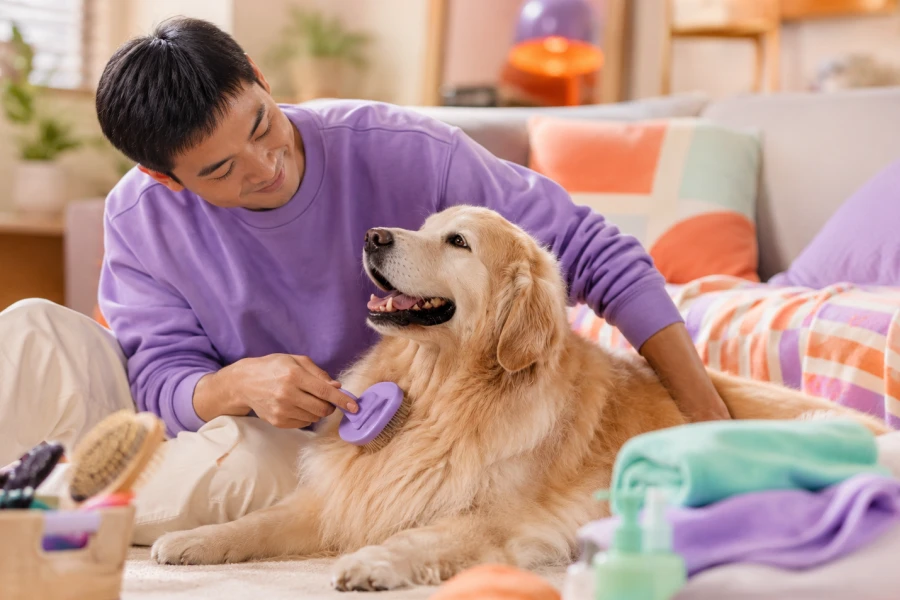
Grooming at home can feel like a practical task until a pet begins to avoid it. A brush, towel, clipper, or bath then becomes associated with pressure instead of ordinary care. At-home grooming for pets becomes easier when every step has a calm, clear purpose. The shift begins when you treat comfort as part of the task, not a reward afterward. A prepared space, clear sequence, and patient pace can change the emotional tone of a session. That approach also helps people recognize that grooming skills develop in pieces. You do not need to complete every task perfectly on the first attempt. You need a routine that makes the next attempt feel easier than the last. When trust leads the process, maintenance becomes more realistic for busy households. That is where calmer care begins to take hold.
Choose one spot that feels stable, well lit, and easy to clean. Keep the noise level low and remove distractions before bringing your pet there. A familiar mat or blanket can create a clearer boundary for the activity. Place only the tools you expect to use within reach. Too many new objects can make the space feel more intense than necessary. Begin with a short visit that does not require brushing, bathing, or trimming. A thoughtful pet grooming space setup can make the first minutes feel less demanding. The pet can investigate, receive a treat, and leave before the task begins. That simple introduction separates the space from the feeling of being trapped. Over time, the location itself can become a cue for calmer cooperation.
Tools work best when each one solves a specific problem. A brush should suit coat type, while shampoo should match the kind of cleaning you need. Towels, wipes, clippers, and treats should support the order you have planned. Avoid adding equipment simply because it seems useful in someone else’s routine. Reliable grooming tools for pets should support the task without making handling feel rushed. Test unfamiliar items away from the main session whenever possible. Let your pet hear, smell, or see them before you ask for any handling. That approach turns novelty into information instead of an immediate demand. Simple, familiar tools often make a stronger foundation than a crowded collection. Use only what helps you stay gentle, organized, and responsive.
Predictable cues make grooming easier to understand. Use the same calm phrase before bringing out the brush or towel. Offer a pause before touching sensitive areas such as paws, ears, or the face. Watch for turning away, freezing, licking, fidgeting, or sudden stiffness. These signals do not always mean the session has failed. They often mean the current step needs to become smaller or slower. Practicing calm pet handling makes future sessions easier to approach. Reward a quiet moment, then stop before the pet becomes overwhelmed. A short positive session can do more for trust than a longer completed one. That is how cooperation becomes an experience your pet can learn.
Stopping early is not the same as abandoning the grooming routine. It can be the decision that protects your progress for the next session. When signs of stress rise, return to an easier task or offer a short break. You might brush one familiar area, wipe a paw, or simply end with a treat. Those choices show your pet that difficult moments have an exit. That sense of safety makes future handling less unpredictable. It also helps you identify which part of the routine needs more practice. A calm reset can be more productive than trying to push through discomfort. Over time, the number of successful small steps begins to add up. The routine grows because you protected the relationship while building the skill.
Progress becomes easier to keep when sessions stay short and repeatable. Choose one or two basic tasks for the week rather than attempting a complete makeover. A brief brushing session after a walk may feel easier than an isolated grooming event. Likewise, a quick paw wipe can normalize handling before nail care becomes necessary. Notice which times of day leave your pet most relaxed and receptive. Use that information to build a realistic rhythm around the household schedule. Small notes can help you remember what worked when a later session feels harder. This attention keeps the routine practical rather than overly ambitious. Eventually, grooming can become another familiar part of caring for your pet. The consistency matters more than completing everything at once.
Trust changes what grooming can feel like at home. Instead of a battle against time, it becomes a series of manageable choices. A calm space gives your pet more information about what will happen next. The right tools make each step clearer, not more complicated. Gentle handling turns breaks into part of the learning process. Those details build a routine that can survive busy weeks and imperfect days. Start with the task your pet can tolerate today. Then let repeated success shape tomorrow’s confidence. Care becomes easier when trust has a place in the plan. That is the kind of progress worth keeping.


Leave a comment