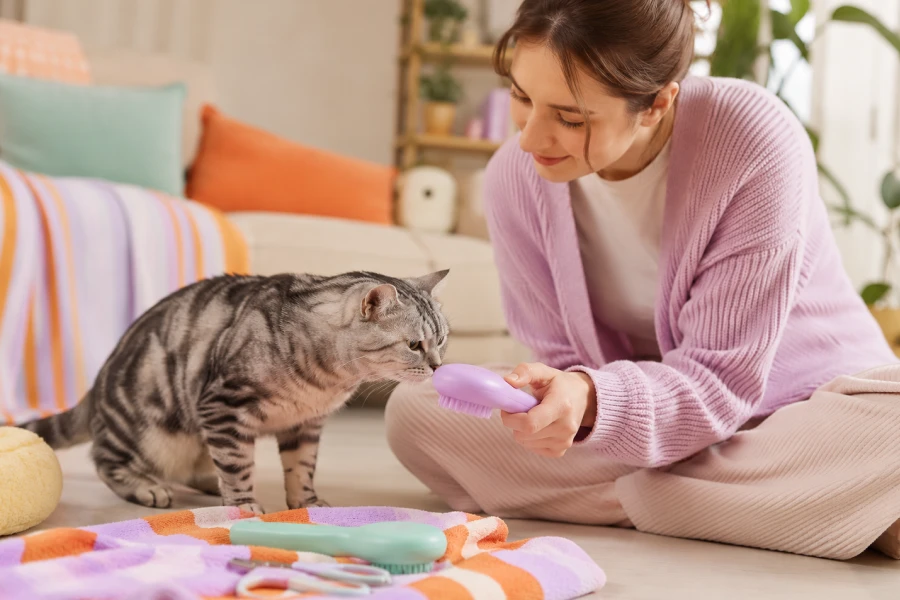
Many pets tolerate grooming only because they have learned they cannot avoid it. That is very different from feeling safe enough to participate with growing confidence. How to groom your pet at home becomes easier when every step has a calm, clear purpose. A gentler method treats your pet’s body language as part of the conversation. You can still care for coats, paws, skin, and hygiene needs while respecting discomfort signals. The key is to divide larger tasks into smaller experiences your pet can understand. Each easy repetition creates a reason to trust the next one. Soon, the session no longer begins with resistance before the first touch. It begins with familiar cues that your pet has practiced handling successfully. That change can reshape the whole household routine.
Consent cues do not require your pet to make every decision. They mean you pay attention to whether the current step feels manageable. A relaxed approach, soft body, or curious sniff can suggest readiness to continue. Turning away, tightening muscles, or pulling a paw back can signal a need to pause. These observations help you decide whether to continue, simplify, or stop. They also prevent you from mistaking stress for stubbornness. A thoughtful gentle pet grooming steps can make the first minutes feel less demanding. Respecting those moments helps your pet learn that handling has predictable limits. That predictability often matters more than the length of the session. A pet that feels heard is more likely to return with less concern next time.
Break a full grooming task into pieces that can succeed independently. Touch the shoulder before brushing the entire back. Hold a paw for one second before introducing any nail-related tool. Let the pet stand near the bath before asking for water or shampoo. Reliable positive grooming practice should support the task without making handling feel rushed. This gradual sequence replaces a big unknown with a series of familiar steps. It also gives you more opportunities to reinforce calm behavior. Keep treats or praise connected to moments of comfort, not only to completed tasks. That makes cooperation feel worthwhile even when the session remains brief. Progress becomes easier to measure because each small step has a purpose.
Body language can help you make a better decision before stress escalates. Watch for a held breath, sudden stillness, lip licking, or a head turned away. Some pets become wiggly or playful when they feel uncertain. Others may freeze, lean away, growl, or try to leave the area. Do not wait for the strongest signal before changing your approach. Early response shows that your pet does not need to communicate louder. Practicing low-stress grooming habits makes future sessions easier to approach. The more quickly you recognize discomfort, the easier it becomes to protect trust. That awareness turns handling into a skill you practice together. It also makes the next session more informative than the last.
Short practice sessions are powerful because they end before patience disappears. One minute of calm brushing can build more skill than ten minutes of frustration. Use easy moments throughout the week instead of waiting for a major grooming day. A gentle touch on the paws after play can prepare for future nail care. A quick brush after a nap can feel less intense than a formal appointment. These small repetitions create a pattern your pet recognizes. They also help you learn which time of day supports the best cooperation. When a session goes well, stop while that feeling is still present. That ending makes the next invitation easier to accept. It is a simple way to turn tolerance into trust.
A pause can communicate safety more clearly than an extra minute of effort. When your pet starts to struggle, return to an easier touch or activity. You can offer water, a treat, or a chance to move away for a moment. Then decide whether the session should end or resume at a simpler level. This approach keeps the pet from learning that discomfort has no escape. It also keeps you from associating every grooming task with a fight. A thoughtful pause is still part of successful care. In fact, it may be the step that allows progress to continue next week. The relationship stays intact because the pet has not been pushed past its limit. That is a practical result, not an indulgence.
Grooming can remain responsible and gentle at the same time. The best routine respects the pet in front of you, not an unrealistic standard. Small steps make large tasks feel less intimidating for everyone involved. Calm observation tells you when to continue and when to change course. Those decisions build a foundation that can support coat care, cleaning, and handling. With repetition, your pet begins to recognize the sequence and its safe boundaries. That familiarity can change resistance into cooperation. You do not need to rush the process to make real progress. You need consistency, patience, and a reason for your pet to trust the next step. That is how grooming becomes easier to share.


Leave a comment