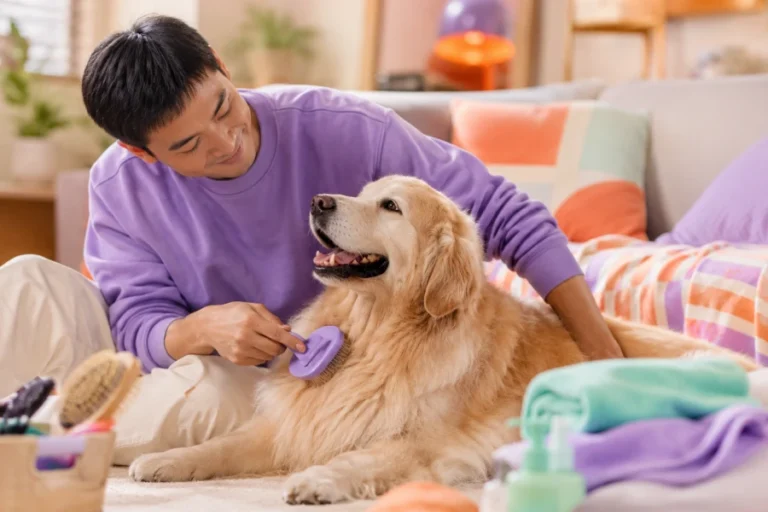
The grooming routines that last are rarely elaborate. They are built from small rituals that fit naturally into days that already feel busy. Pet grooming routine at home becomes easier when every step has a calm, clear purpose. A brush near the door, a towel after walks, or a calm paw check can become useful anchors. These moments make care easier to remember because they connect to habits you already keep. They also make it less likely that grooming only happens during a stressful catch-up session. Over time, a simple rhythm can reveal what your pet needs most and what can wait. That clarity keeps the routine compassionate and practical. You begin to spend less energy guessing and more energy responding well. The result is care that feels easier to return to.
Choose an entry point so simple that you can repeat it during a normal week. You might begin with a few brush strokes, a coat check, or a gentle paw touch. The first ritual should feel manageable for both you and your pet. Avoid starting with the most challenging task simply because it feels overdue. An easy success creates momentum for the next small step. It also gives your pet a familiar cue that care can remain brief and safe. A thoughtful at-home pet grooming routine can make the first minutes feel less demanding. That consistency turns good intentions into a pattern that survives busy schedules. The goal is not to build a perfect ritual overnight. It is to create a dependable place to begin.
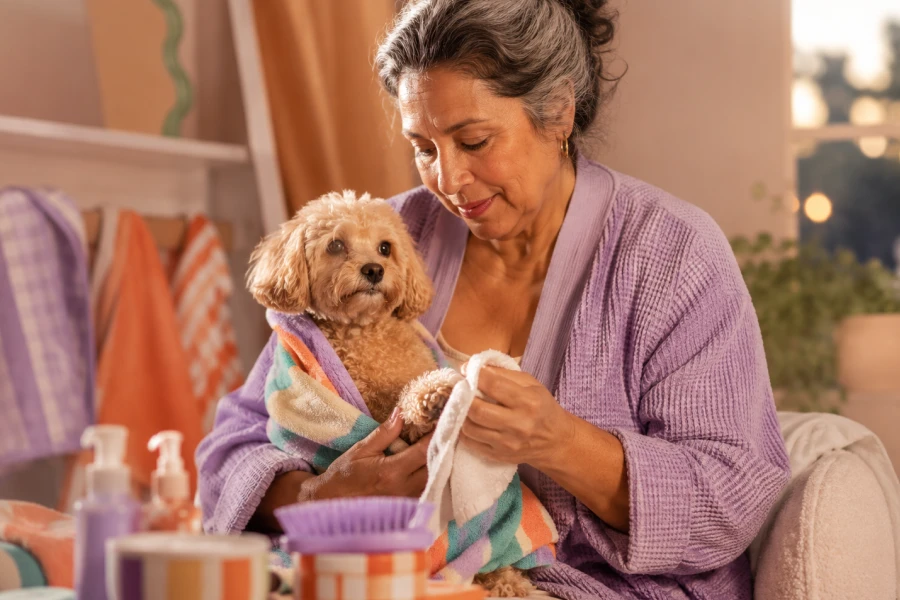
Daily life offers many natural openings for low-pressure care. Brush after your pet has settled from a walk or a nap. Check paws when you already wipe them after coming indoors. Use a familiar blanket to make a short coat check feel less formal. Reliable pet grooming progress tracking should support the task without making handling feel rushed. Connecting care to existing habits reduces the number of reminders you need. It also helps your pet predict when touch and tools may appear. A routine becomes more stable when it has a clear place in the day. Those predictable moments can reduce resistance over time. They make basic maintenance feel less separate from affection and everyday attention.
Pay attention to how your pet responds before changing the whole routine. A new hesitation may come from timing, tool pressure, or a recent difficult experience. A sudden improvement may reveal that a different location feels more comfortable. Notice whether the pet relaxes after certain cues or becomes restless near a specific step. These details help you make one useful change instead of several random ones. They also keep minor setbacks from becoming discouraging. Practicing home grooming care plan makes future sessions easier to approach. A few clear observations can guide your next session better than a complicated system. Look for patterns in comfort, not only in whether you completed the task. That information makes the routine increasingly personal and effective.
Small records can make progress visible when daily changes feel too subtle to notice. Write down which tools worked, which areas felt easy, and where your pet needed a pause. A quick note after a session is enough to reveal meaningful patterns. You may notice that certain days, locations, or times support better cooperation. That information helps you repeat success rather than hoping it happens again. It can also show whether a difficult session was unusual or part of a broader pattern. Use the record as a gentle reference, not a scorecard. The purpose is to make your next decision easier. Care improves when people can see what is actually helping. That is the quiet value of keeping the process visible.
A hard session does not mean the ritual has stopped working. It may simply show that your pet had less energy or tolerance that day. Return to the easiest familiar step after a pause. Offer something your pet associates with comfort, such as rest or a favorite treat. Then decide whether the original task can wait until another day. That choice protects the routine from becoming an all-or-nothing test. It also shows your pet that difficult moments do not remove every option. A gentle reset can preserve weeks of growing trust. You can always revisit the task with better timing and more preparation. Consistency includes knowing when to simplify.
The most sustainable routines feel kind enough to continue. They make space for uneven weeks, changing needs, and imperfect sessions. A small ritual can still carry real care when it returns often. Familiar cues give pets more confidence about what will happen next. Clear observations help you choose the most useful next step. Gentle resets prevent one hard day from defining the whole process. Over time, those choices form a care pattern that feels more natural. You do not need a complicated plan to keep grooming meaningful. You need a routine that respects both your pet and your real life. That is what makes it easy to keep.



Leave a comment